Sunday, May 11, 2014

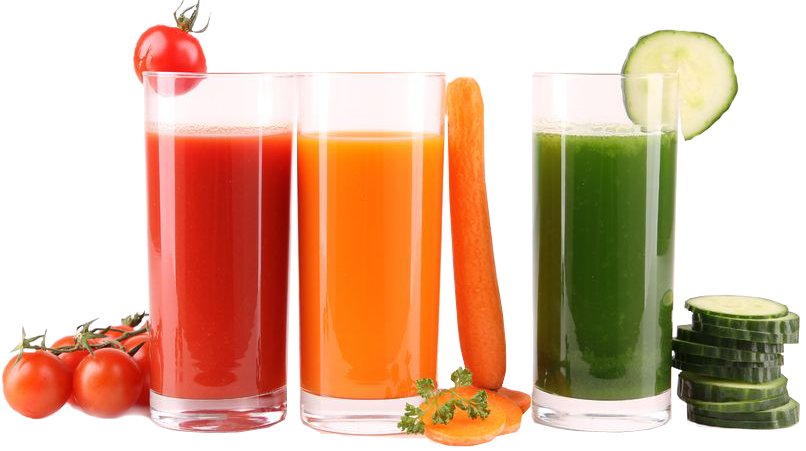
Juicing for Weight Loss

My page "Weight Loss Haven" will be focusing on juicing on my next post to come. Juicing has been a trend nowadays as it helps an individual in so many ways!

http://www.juiceladycherie.com
Juice Lady
If you don't to eat vegetables... well you can extract the juice and drink it! The benefits of the juices works wonder in our body because almost 100% of the nutrients, traced minerals and phytochemicals that we need for our body is in the juices of fruits, vegetables, herbs and the likes.

I am hoping that you would be frequently visiting my site and would honestly leave your comments so that I could better serve your needs.

I'll see you next post...

photo from: juiceladycherie.com


Wednesday, July 20, 2011

Repair bad teeth

Bad teeth is any pain or pain within or around the tooth or jaw. The most common cause of difficulty in the teeth is dental caries. Mouth bacteria can form plaques that stick to the teeth and form acids that eat by enamel, causing a cavity. This evil toothache pain is usually worse when you eat food cold or hot.

Other frequent causes of evil to the teeth are gum, dental abscess, tooth cracked, root of the irritated tooth and a condition called Temporomandibular joint, which affects the jaw.

The rage of teeth may also be a sign of a heart attack, ear infections and sinusitis.

Although there have not been clinical trials on the use of the rage of natural to date teeth, repair bad teeth home following two have been used in folk medicine to reduce toothache. Clove oil contains eugenol, a natural pain killer and antibacterial. Mix 2 to 3 drops of pure clove oil with 1/4 c. teaspoons of olive oil. Saturate a ball of cotton with the mixture and place the ball of cotton next to the tooth.

If the headache of teeth means a molar in the back of your mouth, you can bite gently on the cotton ball to keep it in place. He left both and as long as possible (but don't go to sleep with her in the mouth). Pain relief should begin fairly quickly.

Side effects
Oil of cloves undiluted inside the mouth can causing combustion, the tissue or nerve damage and pain. At high doses, taken orally clove oil can cause vomiting, sore throat, seizure, difficulty in breathing, kidney or liver damage. Clove oil should not be applied on broken skin.

Children, pregnant women or nursing mothers and people with diabetes, kidney or liver disease of bleeding disorders should avoid clove oil.

Activated charcoal is available at many pharmacies and natural health food stores.

Mix two teaspoons teaspoons of powder of activated with just enough water to make a paste. It if applied to a piece of gauze and put la gauze on the dent. bite.

If the pain lasts more than one or two days
You have a fever
You have trouble breathing or swallowing
You have chest pain shoulder or arm
There is a foul discharge

View the original article here

Tuesday, July 19, 2011

Remedy against acne

Acne is a common skin condition. Acne lesions can appear as whiteheads, blackheads, small Cogne roses called papules or buttons (red lesions filled with pus). More severe forms may cause cysts and nodules firm, painful and can lead to scarring. Acne most often occurs on the face, but may develop also on the shoulders, back, chest, legs and buttocks.

Here are some home remedies and natural cures for acne.

Tea tree oil is a popular home for acne cure. It is an essential oil is diluted and topical application to the acne lesions.

How tea tree oil is believed to work? Tea tree oil contains a constituent called terpinen-4-ol, who was thought to be responsible for the bulk of the antibacterial activity of tea tree oil. Because tea tree oil kills bacteria, applying topical tea tree oil acne lesions is supposed to kill Propionibacterium acnes, bacteria living in the skin involved in causing acne. Read more about tea tree oil and acne: oil of tea tree for Acne? and learn more about tea tree oil

Zinc is another popular acne home remedy. Some studies have found that zinc is effective enough. While he was more effective than a placebo, antibiotic medication was more effective. Given this, it may not be the best option when scarring is a possibility.

Side effects of zinc include digestive disturbances and metallic taste in the mouth. At high doses, zinc can lead to a copper deficiency, impaired immune function, anemia and heart problems. There is some concern that higher doses may reduce the levels of HDL ("good") chholesterol.

Zinc may also interfere with the absorption of magnesium and iron from food and supplements. It may interfere with the absorption of tetracycline antibiotics, fluoroquinolones and penicillamine. There is also some concern that a specific diuretic, amiloride, can reduce the excretion of zinc and lead to a toxic accumulation in the body.

Zinc food sources.

Sources:

Bassett IB, Pannowitz DL, Barnetson RS. A comparative study of oil tea-tree versus benzoylperoxide in the treatment of acne. J Med Aust. (1990) 153 (8): 455-458.

Dreno B, Moyse D, M, Amblard Alirezai P, n. Auffret, Beylot C, Bodokh I, Chivot M, Daniel F, Humbert P, Meynadier J., polished F; Group of studies and research of acne. Multicenter randomized comparative double-blind clinical safety and efficacy of zinc gluconate versus minocycline hydrochloride in the treatment of acne vulgaris inflammatory. Dermatology. 203.2 (2001): 135-140.


View the original article here

Valerian

Other names: All heal, Amantilla, Setwall, Setewale, tail of the Capon, Valeriana officinalis

Valerian is a plant native to Europe and Asia. It reaches up to four feet high and a flower-shaped trumpet. The roots are used in medicine. While the fresh root is relatively odorless, the dried root has a strong odor that is often difficult to unpleasant.

Valerian is believed to have been used since at least the time of the Greece and ancient Rome. It has been used as a folk remedy for a variety of conditions such as sleep problems, digestive complaints, nervousness, tremor, headaches tension and heart palpitations. Popularity of the Valerian declined with the introduction of prescription sleep medications.

There is no consensus on what are the active constituents of Valerian. It is possible that the activity of valerian may result from a combination of compounds over one or the other. Valerian appears to increase the available supply of the body of acid neurotransmitter gamma aminobutyric acid (GABA), possibly by increasing its production, by reducing its absorption or slowing its failure.

Valerian are found in the capsule, tea, tablets or extract forms liquid most, some pharmacies in natural food stores and online.

Insomnia

The use of valerian is supported by the evidence of clinical studies. The problem with many studies, however, is that they were generally small, used different amounts of valerian for various periods, or had problems with the design of the study, making it impossible to form a conclusion on the effectiveness of Valerian.

Valerian appears to be less effective than prescription sleep drugs. One of the possible benefits of Valerian, however, are that it may not have as much of a "hangover" effect on the aftermath of mental or physical functioning. Also, people taking sleeping pills have sometimes worsening temporary insomnia, when they are abandoned, an effect that has not been reported with valerian.

Anxiety

Valerian is also used for anxiety, although there was not enough evidence that it is effective.

Pregnant or breastfeeding women and children should not use valerian.

Persons taking medications for insomnia or anxiety, such as benzodiazepines, should not combine these drugs with valerian.

Side effects of valerian may include headaches, dizziness, itching, disturbance, drowsiness during the day, dry mouth and vivid.dreams.

Rarely, liver injury have been associated with use of Valerian. It is not certain that the cause of the liver damage was because of valerian itself or contaminants present in the product. Until we know more, people should use valerian only under the supervision of a qualified health professional, and those with liver disease should avoid. Although the damage to the liver produce always visible symptoms, if excessive fatigue, intense itching, nausea, vomiting, diarrhea, pain or discomfort in the right upper part of the abdomen, or yellowing eyes white or skin occurs, consult your doctor immediately.

Valerian may result in excessive sleepiness or daytime sleepiness if combined with other drugs that cause drowsiness, such as benzodiazepines Ativan (lorazepam) or Valium (diazepam), some antidepressants, drugs such as codeine and barbituates as phenobarbitol, or with sleep for sale free and cold products containing diphenhydramine and doxylamine.

It can also cause excessive sleepiness if taken with herbs that have a sedative effect, such as hops, catnip and kava.

Valerian is decomposed in the liver. In theory, it could interfere with the effectiveness of drugs that are broken down by the same liver enzymes, such as: allergies as Allegra (fexofenadine)
cholesterol drugs, such as Mevacor (lovastatin)
antifungal agents such as Sporanox (itraconazole) and Nizoral (ketoconazole)
drug cancer such as Camptosar (irinotecan), Etopophos, Vepesid (etoposide), Gleevec (STI571), Taxol (paclitaxel), Velbe (vinblastine) or Oncovin (vincristine) Sources:

Blumenthal M, Goldberg A, Brinckmann J, ed.: Valerian root. In: Herbal medicine: expanded monographs of the Commission e. Newton, MA: Integrative Medicine Communications, 2000: 394-400.


View the original article here

Monday, July 18, 2011

What Massage oil is better?

There are different types of massage oils.

In the natural foods store, you will find massage unique oils such as sweet almond oil or avocado oil. If you shop in the spa boutiques or shops skin care, you're more likely to find massage blended oils containing two or more massage oils.

Why is it important to know the different massage oils? Some oils are more likely to let you feel greasy after the massage, while other massage oils go rancid quickly and take on an unpleasant odour. Worse still, some oils can irritate the skin or cause allergic reactions.

These massage oils can be used alone or in combination. Here are my five top choice of the page.

Sweet almond oil is one of the most popular massage oils for massage therapists. Extracted from the almonds, sweet almond oil is pale yellow.

It is slightly oily, which allows the hands of the glide easily on the skin. Sweet almond oil is absorbed fairly quickly, but not so fast that you need to keep reapplying.

Compared with other oils, sweet almond oil is reasonable price. He usually not irritate the skin. People with nut allergies should not use almond oil.

Palm apricot kernel oil is similar in texture and color to almond oil, but cost slightly more. It is rich in vitamin E, a quality which he accords a longer than typical oil life span.

As the almond oil, apricot palm kernel oil is absorbed through the skin, so it leaves people feeling greasy subsequently. This property also makes a good use for aromatherapy massage oil.

Palm apricot kernel oil is a good alternative to the sweet almond oil for people with allergies to nuts.

Jojoba is in reality a wax extracted from the seeds of the jojoba plant. Jojoba is a good option for most of the persons subject to the rear of acne because it is supposed to have antibacterial properties and contains esters wax long chain that looks like the skin sebum.

Jojoba has a very long shelf life, it is a good choice if you do not regularly use.

It is very well absorbed, which makes it a favorite carrier oil of aromatherapy. Jojoba is usually not irritating to the skin.

Disadvantage: jojoba oil is so silky and quickly absorbed, you will need to perhaps often apply it or mix it with other oils listed here. It is more expensive than the sweet almond oil.

Although you may think as coconut oil is a thick, white solid oil, fractionated coconut oil is indeed a lightweight, non-greasy, liquid oil.

It is called fractionated coconut oil because it contains only a fraction of the whole oil. Long-chain triglycerides have been removed, leaving only the triglycerides medium chain.

Fractionated coconut oil is cheaper than many other oils (it is comparable to the sweet almond oil) and as jojoba oil, has a very long shelf life. But the high functionality of fractionated coconut oil is perhaps that it tends to not stained sheets, a problem with most of the massage oils.

Sunflower oil is a light, non greasy oil which leaves feeling of oily skin. Oil expressed from sunflower seeds, is rich in essential fatty acids linoleic acid, as well as Palmitic acid and stearic acid, all components of healthy skin. The amount of linoleic acid in the skin decreases with age and may be dismissed by detergents and soaps hard.

Sunflower oil can go rancid quickly, so it should be bought in small quantities and stored in a cool dark area. Press one or two oil capsules pure vitamin e in the bottle can help extend the life.

People with allergies to plants in the sunflower family should avoid sunflower oil.

Avocado oil
Avocado oil is pressed from the fruit of lawyer. Green color deep, avocado oil is a more heavy oil and is usually mixed with oils to lighter massage such as sweet almond oil.

Avocado oil is approximately double the cost of the sweet almond oil. People who are sensitive to latex may be sensitive to the avocado oil.

Cocoa butter
Cocoa butter is very rich and an aroma of chocolate. It is solid at room temperature and has a heavy texture, so it must be mixed with other oils or used only for very small areas. Grape seed oil
In many respects, grape seed oil makes a great massage oil. It has little to no odor, and it has a smooth, silky texture without being greasy.

However, most grape seed oil is extracted from grape seeds using a solvent (rather than fact pressure on seeds), who say aromatherapists make less than the aromatherapy massage oil.

Kukui Nut Oil
An oil light, thin, non-greasy. Originally a Hawaiian kukui nut oil is generally used on all types of skin, oily skin and skin damaged by the Sun. Olive oil
Most people are familiar with the oil as a cooking oil, but it is sometimes used for massage. It is a heavy oil with a greasy or sticky texture and flavour so recognizable that many associate with the kitchen, it is generally not used on its own of massage.

Topical comparative study of olive oil with sunflower oil and concluded that olive oil had no effect on the epidermal barrier function, while topical sunflower oil has resulted in a significant improvement of the skin barrier.

Sesame oil
Sesame oil is prized in Ayurveda, the traditional medicine of the India. It is used in a daily Ayurvedic self-massage called abhyanga and shirodhara.

According to Ayurveda, sesame oil is particularly valuable for food and detoxification and conditions associated with the vata type, such as anxiety, poor blood circulation, constipation, bloating and excessive drought.

Sesame oil is a thick enough oil which can leave the skin feeling oily, so it can be mixed with lighter massage oils. The refined oil has a strong odor.

Shea butter
Extract the seeds of a tree native to Africa, Shea butter is a solid at room temperature. As cocoa butter, Shea butter is heavy and can leave an oily feeling on the skin, so it is not generally used on its own of massage. It can be mixed or used for very small surfaces.

Shea contains a natural latex, for people allergic to latex should be a patch test before use.

Wheat germ oil
Wheat germ oil is too thick to use on its own as a massage oil, but it can be mixed with lighter oils. Wheat germ oil is rich in vitamin E.And finally, instead of oil, massage therapists often use specially formulated massage gels and lotions.

View the original article here

Apple Cider vinegar

Apple Cider vinegar is a type of vinegar made from the fermentation of cider. In the process of fermentation, sugar in the cider is broken down by bacteria and yeast in alcohol, then in vinegar. As many types of vinegar, Apple Cider vinegar contains acetic acid called substance. Apple Cider vinegar contains also some lactic acid, citric and Malic acid.

Proponents argue that apple cider vinegar can help with the following health conditions:

In addition, many people uses cider vinegar of Apple as a weight loss aid.

It is important to know, however, that the lack of research support, Apple Cider vinegar may be recommended for the treatment or prevention of any health problem.

To date, few studies have tested the effects on the health of Apple Cider vinegar. Here is an overview of some of the key results of the available research:

Some preliminary research suggests that vinegar (vinegar of cider Apple and other types) may benefit people with diabetes. For example, in a 2007 study published in diabetes care, the researchers found that type 2 diabetics who consumed two tablespoons at bedtime apple cider vinegar showed favourable changes in sugar levels in the blood the next morning. And, in a study published in the Journal of animal Biological Sciences of Pakistan, scientists found that a diet apple diabetic rats vinegar of cider improved for four weeks experienced an increase in HDL cholesterol ("good") (and a reduction of harmful triglycerides, a type of blood fat levels).

There is scientific support for la claim that Apple Cider vinegar can promote la weight loss. However, a small study (published in BioScience, biotechnology, and biochemistry in 2009) revealed that obese individuals who consume of acetic acid per day for 12 weeks has experienced a significant decrease in body weight, abdominal fat, waist and triglycerides. In tests on mice, another 2009 study (published in the Journal of agriculture and food chemistry) found that acetic acid may help prevent some liver fat and body fat accumulation.

It is unknown if these studies tested the use of acetic acid derivatives of Apple Cider vinegar or other types of vinegar.

Acetic acid can help lower blood pressure, according to a study of animals, published in BioScience, biotechnology, and biochemistry in 2001. Once again, it is unknown if this study tested the use of acetic acid derived from another type of vinegar or Apple Cider vinegar.

Published in the British Journal of Nutrition, a study in 2006 found that rats fed with acetic acid for 19 days had a significant reduction in total cholesterol and triglyceride levels.

Here are two popular home remedies that include Apple Cider vinegar.

A home for film cure is mix of Apple Cider vinegar 1/4 cup with 1/4 cup of water. The solution of vinegar is thought to restore the restoration of the balance of the scalp pH to discourage the proliferation of malassezia furfur, the fungus thought to trigger films.

The mixture of vinegar is usually paid in a bottle sprayer and spritzed on the hair and scalp, avoiding the area of the eyes and ears. A towel is then wrapped around the head and left about 15 minutes to an hour. After this, vinegar can be washed in the hair. Alternative practitioners recommend it often once or twice per week for film.

The use of vinegar Apple Cider to treat acne, some alternative practitioners recommend a part of the cider vinegar apple mixture with three parts water. The solution is then marked on the bud. Since there were reports of cases of skin lesions and burns to use vinegar full concentration on the face, it is important to take caution in the use of this remedy.

Some alternative practitioners recommend using Apple Cider vinegar to restore the acid alkaline balance. The theory behind the alkaline diet is that our blood is slightly alkaline with a level of normal pH between 7.35 and 7.45) and that our diet must reflect this level of pH. Supporters of the theory of acid alkaline believe that a diet high in production of acid foods leads to a lack of energy, excessive production of mucus, infections, anxiety, irritability, headaches, congestion of sore throat, nose and sinus, allergic reactions and a risk increased of conditions such as arthritis and gout.

Although an acid solution, some Apple Cider vinegar supporters believe there effect alkalinizing on the body. As such, they recommend that one or two teaspoons of Apple Cider vinegar in the water as a daily tonic for health. Although it is a popular remedy, its effectiveness has not been studied.

Vinegar undiluted Apple as liquid cider or the pill, can damage the esophagus and other parts of the digestive tract. Apple Cider vinegar beverage can damage the tooth enamel if siroté.

A case report linked excessive apple cider vinegar consumption with low bone mineral density and blood low potassium (hypokalemia) concentrations. People with osteoporosis, low potassium levels and those taking potassium lowering drugs must use caution.

Of Apple allergy sufferers should avoid apple cider vinegar.

Vinegar applied on the skin can cause burns and scars.

Excessive doses of Apple Cider vinegar have been found to cause damage to the stomach, duodenum, and liver in animals.

Theoretically, a prolonged use of Apple Cider vinegar could lead to low potassium levels, which could increase the risk of drug toxicity cardiotonic as Lanoxin (digoxin), insulin, laxative and diuretic like Lasix (furosemide).

Apple Cider vinegar may affect insulin and blood glucose, could theoretically have an additive effect only if combined with medication for diabetes. Apple Cider vinegar can also lower blood pressure, so it may have an additive effect if combined with medication for hypertension.

Next page - where to find apple cider vinegar, Apple Cider vinegar history and more.


View the original article here

Sunday, July 17, 2011

Green stool

The liver has constantly secretes a bright green liquid called bile in the small intestine or it is stored in the gallbladder.

Bile is needed to absorb fats and fat soluble vitamins. Also, it helps soften stools and is responsible for giving saddles their characteristic brown color.

Bile in fact its way through the intestines, it gradually changes color from green to yellow to Brown, because the action of bacteria in the large intestine on bile salts.

Green stool often indicates that food through the intestines faster than normal (called the bowel transit time of decreased), before this could be changed from green to Brown.

Diarrhoea decreased bowel transit time, any condition that causes diarrhea can generate green stool.

Other causes of green stool include: use of laxatives
Use of antibiotics
Side effects of drugs
Food poisoning
Celiac disease
Ulcerative colitis
Crohn's disease
Malabsorption
Irritable syndrome
Bacterial growth
Infectious diarrhea - especially salmonella and giardia
Traveler diarrhea
Cancer

Foods and supplements that can cause green saddles include: chlorophyll
Iron supplements
Algae

Note: Talk with your doctor of any changes in stool.


View the original article here

Saturday, July 16, 2011

Foods to eat on a Detox Diet

A detox diet is short and targeted diet program focus on the Elimination of toxins environmental and food from your system. Although there are many types of Detox Diets, foods that are allowed are often quite similar, unless it is a quick juice.

Fruit

fruitsunsweetened fresh or frozen, natural fruit juicedried - unsweetened, in limited quantities, such as cranberries, dates, raisins, goji berries

Vegetables

Vegetables appear to be particularly good detox foods include the broccoli, cauliflower, broccoli, cabbage, onions, garlic, artichokes, beets, and dark leafy green like kale, Greens collard and swiss chardsea vegetables, including kelp, nori sheets, wakamecorn - avoid corn as acid formingnote: some people are sensitive to the family of vegetables, including tomatoes, peppers, aubergines and potatoes and perhaps wanting to avoid their

Grains and starches

rice, especially Brown ricequinoabuckwheatmilletamaranthwild riceoatswhole grains are preferred, but manufactured products from the above may be authorized, as the pulp of pure buckwheat noodles, rice crackers and bread, brown rice

Beans and legumes

divide peaslentilsadzuki green and yellow beans

Nuts and seeds

almondscashewswalnutssunflower seedspumpkin seedssesame seedschia seedshemp seeds, hemp, nutscoconut, particularly the young coconutstahininut and butters made only with authorized ingredientspeanuts and peanut butter - generally not recommended

Choose seeds and nuts-salted, raw.

Oils

hemp oilflax oilchia oilalmond oilavocado oilcoconut tablespoons cold pressed olive oil oilsafflower, Sesame and oil sunflowers in quantities limited (due to Omega-6 fatty acids)

Detox diet food list is continued on the next page


View the original article here

Bitter melon

Latin name: Momordica charantia

Bitter melon is a fruit that can be found in many Asian grocery stores. As its name indicates, the very bitter fruit. It is also available in the liquid extract and capsules forms.

Diabetes

Bitter melon is used primarily for type 2 diabetes, although the studies are needed to prove its effectiveness.

Bitter melon is considered quite safe, as it is widely consumed as a food in Asia.

Side effects may include diarrhea and stomach pain.

Bitter melon can reduce sugar in the blood and insulin levels, therefore it should not be combined with medication for diabetes or any other drug that affects sugar blood unless under the supervision of a physician.


View the original article here

Friday, July 15, 2011

Acidophilus and probiotics

Probiotics are living microbial organisms that are naturally present in the digestive tract and vagina.

Probiotics are considered useful and are sometimes called "friendly" bacteria. Some of the ways in which we think that the promotion of health include the suppression of the growth of potentially harmful bacteria, improve immune function, improving the protective barrier of the digestive tract and by helping to produce vitamin k.

There are more than 400 species of microorganisms in the human digestive tract, including the Lactobacillus and Bifidobacterium.

A number of doctors, diet and habits are believed to disturb the equilibrium in the colon. This imbalance is called dysbiosis. Factors include: inadequate dietary fibre
Oral antibiotics
Infant food
Ingestion of toxinsNo plu environment held in failure, less in good health and yeast bacteria can flourish, who is thought to increase the chances of conditions such as infectious diarrhea and vaginal yeast infections. Probiotics may be found in the capsule, liquid, powder or tablet form. Drink acidophilus are found in health food stores natural and some Asian grocery stores and grocery stores.

Probiotics are also included in dairy products such as the yogurt or kefir, however, the number of living organisms varies greatly a product to differences in methods of treatment. Also, fermented as sauerkraut foods contain probiotics.

Once ingested, probiotics colonize the intestines and other parts of the body and can be maintained only if they are destroyed by antibiotics or other factors.

Although they are considered essential for health, because they can be maintained in the body under normal circumstances, there is no daily intake recommended probiotics.

Prebiotics
"Prebiotic" are also designed to improve the balance of probiotics in the intestines. They are non-digestible carbohydrates which stimulate the growth of beneficial bacteria in the intestines. Sources of Prebiotics include fructo-oligosaccharides (FOS) and inulin, found in onions, asparagus, radicchio and banana. FOS is also available as a supplement and is sometimes combined with probiotic dietary supplements.

Diarrhea due to the use of antibiotics
Traveler diarrhea
Side effects of radiation therapy
Irritable syndrome
Vaginal yeast infections
Ulcerative colitis
Crohn's disease
Immune support
Lactose intolerance
Prevention of colds
Allergic rhinitis / hay fever
Constipation
Colon Cancer Prevention
Pouchitis
Bacterial overgrowth of the small intestine
Canker soresdiarrhea
A review of the literature found 185 studies published in what they deemed to be credible journals between 1980 and 2004. Diarrhea (41 or 22% 185 studies) was the most commonly studied condition.

Seven studies looked at probiotic use in adults, with emphasis on strains Lactobacillus reuteri, Lactobacillus GG, L. casei, L acidophilu and boulardi S. Although they varied in the dose strain probiotic, probiotics, in six of these studies shortened in diarrhea or reduce its severity.

Many studies have examined probiotic children. Once more, there is a wide range of doses and probiotic strains. The most commonly used strains were casei, Lactobacillus acidophilus, L, L GG and Bifidobacteria. 20 Studies published between 1980 and 2004, all studies found an improvement.

Seven of the 12 controlled trials reported specific prevention of antibiotic-associated diarrhea. In addition, a meta-analysis looked at 9 randomized, double-blind, with a total of 1214 patients placebo controlled. Six of the nine trials showed a significant benefit of probiotics.

Need more evidence on the effectiveness of probiotics in conditions such as intolerance to lactose constipation, risk factors for heart disease and the disease of Crohn.Les side effects of probiotics may include mild, temporary, digestive complaints such as gas and bloating.

People who are immunocompromised should consult a physician before using probiotics. It is possible that probiotics itself can cause a severe infection. One death has been allegedly linked to use of probiotics in a person taking immunosuppressive medications.

Probiotics may interact with immunosuppresant drugs (see above).

Probiotics are recommended by some practitioners of health during or after antibiotic use.


View the original article here

Thursday, July 14, 2011

Benefits of beetroot juice

Red beet juice (also known as the "beet juice") is rich in essential nutrients such as folate, potassium and vitamin c. In the juice or juice fasts, beetroot juice is generally mixed with other vegetables and fruits to get certain effects on health.

Here is an overview of several benefits of beetroot juice made research in scientific studies.

(1) For low blood pressure beetroot juice

Drink a little more each day two cups of beetroot juice can help keep your blood pressure under control, according to a 2008 study. Within three hours to drink 500 ml (17 ounces) of Red beet juice, volunteers have shown a significant decrease in blood pressure. What of more, reduce blood pressure was maintained up to 24 hours after the juice was consumed.

Authors of the study suggest that the nitrate - a nutrient found in green vegetables, leafy as well as sugar beet - may be responsible for effects of lowering the blood pressure of Red beet juice.

(2) For the best endurance beetroot juice

In a small study published in 2009, scientists discovered that drinking beetroot juice can enhance exercise endurance. The study, eight men drank 500 millilitres of daily beetroot juice for six consecutive days before undergoing a series of fitness bike-based tests. Results showed that participants were able to cycle for an average of 92 seconds after the consumption of Red beet juice (compared to their time cycling after drinking blackcurrant cordial for six consecutive days).

The researchers also found that the members of the study had low voltage blood rest after the consumption of Red beet juice.

(3) To combat Inflammation beetroot juice

Beetroot juice may benefit obese people in controlling inflammation (a risk factor of cardiovascular disease, type 2 diabetes and cancer), according to a study published in 2009. The study has also shown that beetroot juice may fight free radicals (chemical by-products known to damage the DNA).

Given that beetroot juice has a flavour so strong, it should be mixed with other juices (such as carrots, apples and lemon) before drinking.

Discover the other ingredients to use in the juices.

Sources:

Bailey SJ, P, Vanhatalo Winyard has, Blackwell JR, FJ, DP Wilkerson, Tarr Dimenna J, Benjamin N, Jones AM. "Nitrate food supplementation reduces the cost of low intensity exercise O2 and improves tolerance to the exercise of high intensity in humans." Journal of Applied Physiology 2009 Aug 6.

Webb AJ, n. Patel, Loukogeorgakis S, Okorie M, Aboud Z, Misra S, Rashid R, Miall P, Deanfield J, Benjamin N, MacAllister R., Hobbs AJ, Ahluwalia. "lower acute blood pressure, vasoprotective and platelet antiaggregation properties of nitrate food via the bioconversion of nitrite.". High blood pressure. Mar 2008; 51 (3): 784-90.

Zielinska-Przyjemska M, Olejnik A Dobrowolska-Zachwieja, w. Grajek "effects In vitro of chips and beetroot juice on oxidative metabolism and apoptosis in neutrophil of obese persons.". Phytotherapy research 2009 Jan; 23 (1): 49-55.


View the original article here

Natural treatments for diabetes

According to the American Diabetes Association, almost 21 million people in the United States have diabetes, with approximately 90-95% of diabetes type 2.

Sugar, as glucose, is the main source of fuel for the cells in the body. The hormone insulin enables glucose in the blood to enter the cells. In type 2 diabetes, that the body produces enough insulin or cells resistant to the effects of insulin.

As a result, glucose accumulates in the blood instead of enter in cells, which causes cells to be deprived of energy. If the levels of the high concentration of glucose in the blood persist, it can damage the eyes, heart, kidneys or nerves.

There are some natural treatments that are in the study of type 2 diabetes. If you are interested to try a natural treatment in addition to standard treatment, be sure that perform as well as under the close supervision of a health care professional qualified. If diabetes is not well controlled, the consequences can be fatal.

Also inform your doctor about herbs, supplements or natural treatments you use, because some can interact with medicines you take and cause hypoglycemia at least well co-ordinated. Consider keep track of your herbs, vitamins and supplements with the diary of supplement and give your doctor a copy.

Although there are several types of ginseng, most promising studies on ginseng and diabetes have used ginseng (Panax quinquefolius). These studies have shown that ginseng can improve the hemogobin of control blood sugar and glycosylated (a form of hemoglobin in the blood used to monitor blood glucose levels over time) levels.

Chromium is a mineral of essential trace which plays an important role in carbohydrate and lipid metabolism and helps the cells of the body to respond properly to insulin. In fact, studies have revealed low levels of chromium in people with diabetes.

There are many promising studies, suggesting a chromium supplementation may be effective, but they are far from conclusive. For example, a small study published in the journal Diabetes Care to diabetes medication sulfonylurea taken with 1 000 mcg of chromium for sulfonylureas taken with a placebo. After 6 months, people who have no chrome had a significant increase in body weight, body fat and abdominal fat, while people taking chromium had significant improvements in insulin sensitivity.

Another study published in the same newspaper, however, examined the effect of chromium on the control of blood glucose in insulin-dependent diabetes type 2. People received 500 or 1,000 mcg per day of chromium or a placebo for six months. No there was no significant difference in hemoglobin-glycosylated, body mass index, blood pressure or insulin through the three groups requirements.

A form of chromium not recommended is chromium picolinate. For more information, read the side effects of chromium Picolinate.

Magnesium is a mineral found naturally in foods such as leafy green vegetables, nuts, seeds and whole grains and nutritional supplements.

Magnesium is necessary for more than 300 biochemical reactions. It helps to regulate blood glucose and is necessary for muscle and nerve function normal, heart rate, immune function, bone health and blood pressure.

Some studies suggest that low magnesium levels can worsen glycemic control in type 2 diabetes. There is also evidence that magnesium supplementation may help with the resistance to insulin.

For example, a study examined the effect of magnesium or placebo in 63 people with diabetes type 2 and low magnesium levels who took the drugs glibenclamide. After 16 weeks, the people who took magnesium have improved insulin sensitivty and lower fasting glucose.

High doses of magnesium can cause diarrhea, nausea, loss of appetite, muscle weakness, difficulty breathing, low blood pressure, irregular heart rhythm and confusion. It may interact with certain drugs, such as osteoporosis, high blood pressure (calcium), and certain antibiotics, muscle relaxant and diuretic.

Some studies have found that cinnamon improves blood sugar control in people with type 2 diabetes. In the first study, 60 people with diabetes type 2 were divided into six groups. Three groups took 1, 3 or 6 g of cinnamon per day and the other three groups consume 1, 3 or 6 g of placebo capsules. After 40 days, all three doses significantly reduced cinnamon glucose, triglycerides, LDL cholesterol and total cholesterol.

In another study, 79 people with type 2 diabetes (not on insulin but treated with other diabetes drugs or diet) have a cinnamon extract (equivalent to 3 g of cinnamon powder) or a placebo capsule, three times per day.

After four months, there was a slight reduction, but statistically significant levels of blood glucose in fasted in people who have taken the cinnamon (10.3%) compared to placebo (3.4%), however, no there was no significant difference in the glycosylated hemoglobin profiles or lipids. To learn more about cinnamon, read cinnamon and cinnamon and sugar in the blood is a proven diabetes remedy?

The mineral zinc plays an important role in the production and storage of insulin. There are some studies showing that people with diabetes type 2 have status of zinc suboptimal due to a decrease in the absorption and increase the excretion of zinc.

Zinc food sources include fresh oysters, root ginger, lamb, Pecans, split peas, yellow egg, rye, beef liver, beans of lima, almonds, walnuts, sardine, chicken and buckwheat.

While aloe vera gel is better known as a minor House to burns cure and other diseases of the skin, recent animal studies suggest that aloe vera gel may help people with diabetes.

A Japanese study assessed the effect of aloe vera gel on sugar in the blood. Researchers have isolated a number of compounds of active gel phytosterols that were found to reduce blood glucose and glycated hemoglobin. For more information about aloe vera, read the fact sheet of Aloe Vera

Natural treatments more diabetes on the next page...


View the original article here

Wednesday, July 13, 2011

Gum disease natural remedies

Gum disease, also known under the name of periodontal disease is a condition in which the gums, the fabric of deeper support and potentially the bone surrounding the teeth become infected and inflamed.

Gum disease begins with the plaque on teeth, a sticky white substance that coats the teeth. It is formed when the bacteria from the mouth mixes with saliva and residues of starch products and sugar in your diet.

If the plate no is not correctly removed from teeth by brushing teeth and flossing, it accumulates and hardens under the gingiva in tartar. Once the Tartar to accumulate, it is much more difficult to remove plaque and generally requires a cleaning at the dentist.

Over time, it can lead to inflammation of the gums or gingivitis. It is a mild form of gum disease. One of the most common symptoms is dark red gums bleeding with toothbrushing or flossing. Professional cleaning can reverse gingivitis.

If there is bleeding with pain, it is a symptom that the infection and inflammation has spread to deeper tissues and bones, called periodontitis. After 30 years of age, periodontitis is responsible for the loss of teeth, more even than the cavities. Red, swollen gums
Bleeding while brushing or flossing
Retreat of the gums
Chronic bad breath
Losing teeth or the enlargement of the space between the gums and teethhere are seven natural remedies that are used to treat diseases of the gums. The link between gum disease and vitamin c deficiency is well known. Back to the 18th century, sailors ate files during long trips at sea to keep their bleeding gums. A study in the Journal of Periodontology found that the persons with a low intake of vitamin c of the higher rates of periodontal disease. The researchers watched 12,419 adults in the United States. People who eat less food recommended (AJR) 60 mg per day were 1.5 risk of developing severe gingivitis as of persons who consume more than 180 mg. vitamin c is supposed to help gum disease because vitamin c is an antioxidant and is necessary for the repair of connective tissue and accelerate bone regeneration.

To increase your intake of vitamin C, eat food rich in vitamin C, such as grapefruit, Orange, kiwifruit, mango, papaya, strawberry, red pepper, broccoli, Brussels sprouts and cantaloupe. Vitamin c may also be taken as a supplement. Avoid chewable vitamin C, because the acidity may promote the erosion of dental enamel over time.

Vitamin d was found to have anti-inflammatory effects and can reduce susceptibility to gum disease. A study conducted by Boston University evaluated the association between vitamin d status and gingivitis. They analyzed data from 77,503 teeth in 6700 people in the third National Health and Nutrition Examination Survey and found that people with high blood vitamin d levels were less likely to experience of the gums bleeding during probing gingival.

Sun exposure is one of the most important sources of vitamin D, because the Sun's UV rays trigger the synthesis of vitamin d in the skin. The National Institutes of Health Office of Dietary Supplements suggests 10 to 15 minutes of exposure to the Sun twice per week, but more from the Ecuador you live, more polluted, your city and cloud cover over nothing, less likely it is that this exposure to the Sun will be sufficient. Search for at least 200 IU in a multivitamin.

Stress contributes to gum disease by increasing the build-up of plaque. A study of the University of Düsseldorf has examined how stress review would impact plate and gum bleeding. All students had a professional tooth cleaning 4 weeks before the exams and then 4 weeks after the examinations. They found that students had higher rates of plaque and gingivitis after exams to a group of student control with no examinations. There is some evidence of a linking gum at lower levels of coenzyme q10, an antioxidant is naturally in the body, commonly found in food and available as a supplement. Some researchers say that coenzyme q10 is necessary to correctly repair the gum tissue. A study conducted by the University of Osaka in the Japan see improvement in infection and inflammation after 3 weeks to take a topical coenzyme q10 toothpaste. You can look at to find toothpaste containing coenzyme q10 to natural grocers, food stores and online. For more information on coenzyme q10, read Coenzyme Q10 Fact Sheet, tea tree oil is proven antibiotic properties. Applied topical oil tea tree gel was evaluated in a study placebo controlled double-blind involving 49 people with severe chronic gingivitis. They told to brush twice a day and were assessed after 4 and 8 weeks. The Group has brushed with tea tree oil was a significant reduction in the degree of gingivitis and bleeding. However, tea tree oil gel has not reduced the amount of plaque. Use only commercial tea tree toothpaste, not tea tree oil. For more information about tea tree oil, read Tea Tree oil Fact Sheet. Cranberry can help gum by preventing the bacteria from sticking to the teeth. Locate the cranberry juice with no sugar added to the natural foods store. A typical amount is 4 ounces per day. See your doctor if you take warfarin thin the blood and kidney stones.

View the original article here

Tuesday, July 12, 2011

Natural Rx for varicose veins

Server temporarily unavailable
The word "Varicosis" comes from the Latin word "varix", meaning "twisted". Varicosis veins are enlarged, twisted veins that are usually bluish purple.

Small, one - way valves in veins ensure blood only flows towards the heart. In some people, these valves become weakened and blood collects in the veins, causing them to enlarge abnormally.

Varicosis veins are most common on the legacy, because leg veins must work against gravity. Standing increases pressure on leg veins.

Varicosis veins are a common condition in the United States. Up to 25 percent of women are affected and up to 15 of men are affected.

Although in some people, varicosis veins can be a cosmetic concern, in other people, they can cause swelling and aching uncomfortable, heaviness, or bread or be a sign of heart disease or circulatory disorders. If left untreated, varicosis veins may lead to serious complications such as phlebitis (inflammation of the veins), skin ulcers, and blood clots.

Hormonal changes during pregnancy and menopause.
Being overweight increases the pressure on veins.
Prolonged sitting or standing restricts circuluation and puts added pressure on veins.
Chronic constipation
Genetics
AgingThese are some of the natural treatments that have been explored for Varicosis veins. Many of them are believed to work by strengthening veins, which reduces fluid leakage from vessel walls.

At any time, if Varicosis veins become swollen, red, or tender and warm to the touch, or if there are sores, ulcers, or a rash near the Varicosis vein, see your doctor.

The herb horse chestnut (Aesculus hippocastanum) is one of the most widely used natural treatments for Varicosis veins and chronic venous insufficiency, a related condition.

The active form in horse chestnut is a compound called aescin. Aescin appears to block the release of enzymes that damage capillary walls.

In 2006, researchers with the respected Cochrane Collaboration reviewed studies involving the use of oral horse chestnut extract or placebo for people with chronic venous insufficiency.

The researchers found an improvement in the signs and symptoms of chronic venous insufficiency with horse chestnut extract compared with placebo. Horse chestnut extract resulted in a significant reduction in leg pain and swelling compared with a placebo.

Adverse events were usually mild and infrequent. The researchers concluded that based on the evidence, horsechestnut extract was an effective and safe short-term treatment for chronic venous insufficiency. None of the studies, however, evaluated whether the extract could reduce the appearance of Varicosis veins.

Whole horse chestnut is considered unsafe by the FDA and can lead to nausea, vomiting, diarrhea, headache, convulsions, circulatory and respiratory failure, and even death. Tea leaves, nuts, and other crude forms of the horse chestnut plant should also be avoided.

Manufacturers of horse chestnut products remove the toxic component, esculin. These products appear to be safe, as there have been few reports of harmful side effects despite being widely used in Europe.

People with kidney or liver disease and bleeding disorders should avoid horse chestnut. The safety of horse chestnut in pregnant or nursing women or children has not been established. Horse chestnut should not be combined with aspirin, Plavix (clopidogrel), Ticlid (ticlopidine), Trental (pentoxifylline), Coumadin (warfarin), and other anticoagulant drugs ("blood-thinning") unless under medical supervision as these medications may increase the effect of the medication.

The extract of grape (Vitis vinifera) seeds and pine bark (Pinus maritima) both contain oligomeric proanthocyanidin complexes (OPCs), antioxidants that appear to strengthen the connective tissue structure of blood vessels and reduce inflammation.

Studies suggest that OPCs help people with various veins. Grape seed extract should not be confused with grapefruit seed extract.

The most commonly reported side effects are digestive complaints such as nausea and upset stomach.

People with autoimmune conditions, such as rheumatoid arthritis, multiple sclerosis, and Crohn's disease should not take pine back or grapeseed extract unless under a doctor's supervision because of its effects on the immune system. The safety of pine bark and grapeseed extracts have not been established in pregnant or nursing women or children.

Pine bark or grapeseed extracts should not be combined with medications that suppress the immune system or with corticosteroids, unless under medical supervision.

A plant in the lily family, Butcher's broom (Ruscus aculeatus) is also known as box holly gold knee holly. It contains ruscogenins, constituents believed to strengthen collagen in blood vessel walls and improve circulation. This is thought to tighten weak, clay vessels such as those associated with Varicosis veins.

Side effects of butcher's broom may include digestive complaints such as indigestion or nausea. People with high blood pressure or benign prostate hyperplasia should not take butcher's broom without first consulting a doctor. The safety of butcher's broom in pregnant or nursing women or children has not been established.

Butcher's broom should not be taken with medication for high blood pressure, benign prostate hyperplasia, or MAO inhibitors unless under medical supervision.

Reflexology is a form of bodywork that focuses primarily on the feet. One small study compared reflexology with rest in 55 pregnant women. Reflexology significantly reduced leg swelling.

Pregnant women should consult their doctor before having reflexology. Some sources say that reflexology should not be done during the first trimester. For more information about reflexology, read the Reflexology Fact Sheet

Sources
_____________________

Bamigboye, Smyth r. Interventions for Varicosis veins and leg oedema in pregnancy. Cochrane Database Syst Rev. 2007 Jan 24; (1): CD001066.

Pittler MH, Ernst e. Horse chestnut seed extract for chronic venous insufficiency. Cochrane Database Syst Rev. 2006 Jan 25; (1): CD003230.


View the original article here

Monday, July 11, 2011

Difficulty with weight loss

It is true that we take the weight when we eat more that we can burn off the coast. But this wisdom conventional diet does not always hold true. Weight gain can also be caused by health problems such as hypothyroidism, food sensitivity, syndrome Cushing, the organ disease, use of prescription drugs, anxiety, imbalance of sugar in the blood and a deficiency of essential fatty acids.

Hypothyroidism

Thyroid hormone deficiency may decrease metabolism of food, causing loss of appetite and modest weight gain. Weight gain is the accumulation of grease and fluid retention caused by deposits of protein in the body.

Hypothyroidism symptoms may include fatigue, lethargy, swelling of the face or eyes, dry, coarse skin, decreased sweating, low memory, slow speech and voice hoarse, weakness, intolerance to cold and headache.

Deficiency of essential fatty acids

Essential fatty acids in flaxseed oil are good fats are needed by the body to make hormones and to maintain rates of metabolism of the body. A deficiency can cause cravings, especially for fatty foods.

The first signs of deficiency are often film, hair dryer and dry, scaly skin. Deficiency in also associated arthritis, eczema, heart disease, diabetes and premenstrual syndrome.

Food sensitivity

Reactions to food are not always immediate. They can occur several hours later, bloating and swelling of the hands, feet, ankles, abdomen, chin and around the eyes. A large part of the acquired weight is a retention caused by the inflammation and the release of certain hormones. In addition, it only has the fermentation of food, especially the carbohydrates in the intestines which can be translated by a distended production swollen stomach and gas.

Food sensitivity, symptoms may include headaches, indigestion or heartburn, fatigue, depression, joint pain or arthritis, canker sores, chronic respiratory symptoms such as wheezing, the sinus congestion or bronchitis and chronic problems of the intestine diarrhea or constipation.

Cushing's syndrome

Cushing Syndrome is a disorder caused by an excess of the hormone cortisol. Fat accumulates in the face, abdomen and upper back, often producing a characteristic rounded face "Moon" and "buffalo hump". The arms and legs are usually thin.

Other symptoms of Cushing's Syndrome include a muscle wasting and weakness, thin skin, poor wound healing, easy bruising, purple box "stretch marks" on the abdomen, menstrual irregularities, high blood pressure, loss of hair and the women glucose intolerance.

Prescription drugs

Hormone replacement and oral contraceptives containing estrogen may cause fluid retention and increased appetite. Other drugs that can cause weight gain are steroids, non-steroidal anti-inflammatory drugs (NSAIDs), antidepressants and diabetic drugs.

Kidney, heart or liver disease

Disease in these organs can cause fluid retention, which appears as General swelling on the body, especially the eyes and ankles.

Emotional eating

Many people respond to the stress or depression by eating excessively. Sources of stress may be not always apparent, but may still affect eating habits and cause weight gain.

Blood sugar imbalance

Simple consumption of carbohydrates can cause rapid fluctuations in blood glucose. For example, chocolate eating increases the amount of sugar in the blood. Insulin hormone is released causing the sugar to be IFR and sugar levels in the blood to be lowered, that can trigger cravings of sweets more to stabilize the balance of sugar in the blood.

Conclusion

Weight gain can also be caused by enlargement of the organ, as a cyst of the ovary and obstruction of lymph fluid.

The conditions above must be diagnosed by a qualified health professional especially since serious illness may not always be accompanied by obvious symptoms.

References

1 Bouchier SAI, Ellis H, Fleming PR, eds. French Index of differential diagnosis. Thirteenth Edition. Woburn, MA. Butterworth Heinemann, 1996.
2 Ott v. surprising barriers to weight loss. Natural health. October 1999.
3 Seller RH. Differential diagnosis of common complaints. 4th Edition. Philadelphia, PA. W.B. Saunders Company, 2000.


View the original article here

Ginseng Panax

Panax ginseng is one of several types of commonly used in herbal medicine ginseng. Other types of ginseng include Siberian ginseng and ginseng. The active compounds in Panax ginseng would be-like components steroids called ginsenosides.

According to traditional Chinese medicine, it is thought that each type of ginseng have unique healing properties. Panax ginseng, for example, has properties "heating", to help improve the circulation.

Panax ginseng is available in different forms. For example, White Ginseng is Panax ginseng that has been dried and peeled. Red ginseng, however, is not Pelee Panax ginseng which is steamed prior to drying. Ginseng red and white are available in dyes, liquid extracts, powders and capsules.

In traditional Chinese medicine, red ginseng is thought to promote energy "yang" to a greater degree than white ginseng. As a result, red ginseng can be overstimulating in some cases.

Panax ginseng is promoted for the treatment or prevention of the following health problems:

Panax ginseng is also used to slow the aging process, improve memory, boost endurance, to stimulate the immune system and improve sports performance.

Although la Panax ginseng research is fairly limited, there is some evidence of that grass can offer some the health benefits. Here is an overview of several results of key studies: Panax ginseng can improve cognitive performance for extended periods of mental activity, according to a study from the journal of psychopharmacology, 2005. In a clinical trial involving 30 healthy young adults, the researchers found that those given Panax ginseng were less likely to experience mental fatigue while taking a test (compared to those given a placebo).

In addition, 2000 in psychopharmacology study has shown that a combination of Panax ginseng and ginkgo biloba may help improve memory in healthy middle-aged adults.

A small study of Nutrition, metabolism, and cardiovascular disease, 2008 showed that Panax ginseng can help the management of diabetes. The study consisted of 19 people with diabetes well controlled type 2. From those given a placebo for 12 weeks, studying the members who took Panax ginseng supplements for the same time period experienced a greater improvements in glycemic control. Panax ginseng appears to be effective in the treatment of erectile dysfunction, suggests a study conducted in 2002 of the Journal of Urology. In tests on 45 men with erectile dysfunction, those who took Panax ginseng for eight weeks showed improvements greater than those given a placebo for the same period of time.

In a previous study of 90 men with erectile dysfunction, 60 per cent of participants reported improvement in their symptoms compared with 30 percent of those who use the placebo. The study was published in the International Journal of impotence research.

Unlike the drug to treat erectile dysfunction (which are generally taken when necessary), ginseng is only useful for erectile dysfunction if taken on an ongoing basis.

Other research suggests that ginseng Panax may not be useful for some conditions. For example, studies have found Panax ginseng ineffective to relieve hot flashes, improving mood and enhancing sports performance. In addition, the National Institutes of Health noted that there is not enough research to assess the effectiveness of Panax ginseng in the treatment of a number of conditions (including depression, syndrome of chronic fatigue, cancer, colds, influenza, bronchitis, fever, digestive problems, fibromyalgia and anemia). Panax ginseng should avoid children or pregnant women or nursing mothers. People who suffer from diseases such as endometriosis, uterine fibroids, or cancer of the breast, ovaries, uterus or hormone-dependent prostate should avoid Panax ginseng because it can have effects.

Panax ginseng may reduce the frequency and the force of heartbeats, so it should not be used by people with heart disease (except under the supervision of a health care provider).

Panax ginseng may lower blood sugar, so it should not be taken by diabetic unless under the supervision of a physician. In addition, Panax ginseng may interact with insulin and other drugs for diabetes, metformin, glyburide, glimepiride and glipizide.

Panax ginseng can aggravate insomnia.

Panax ginseng side effects may include nervousness, restlessness, insomnia, diarrhea, headache, high blood pressure and heart palpitations.

Panax ginseng may increase the effect of blood thinners (like clopidogrel, ticlopidine, warfarin, heparin and aspirin), which may cause uncontrolled bleeding or hemorrhage. Certain herbs (such as danshen, Devil's claw, Siberian Ginseng, garlic, ginger, horse chestnut, papain, red clover and saw palmetto) can also increase the risk of bleeding if combination of ginseng.

Panax ginseng may affect cardiac rhythm and can increase the possible side effects of theophylline (and similar asthma medications), albuterol, clonidine and sildenafil citrate (Viagra).

Panax ginseng may interfere with the metabolism of monoamine oxidase (MOA) inhibitors, such as phenelzine, tranylcypromine sulfate and isocabaxazid sulphate. He also believed to affect levels of neurotransmitters (chemicals that transport messages from nerve cell to other cells) and may interact with the antipsychotic drugs such as chlorpromazine and fluphenazine.

Panax ginseng stimulates the central nervous system, so it may increase the effects of prescription drugs that are similarly (such as medications for attention deficit, narcolepsy, and obesity hyperactivity disorder). The combination can raise blood pressure and heart rate.

Panax ginseng was found to interfere with the metabolism of drugs processed by an enzyme called cyp3A4. Ask your doctor to check if you take drugs of this type.


View the original article here

Sunday, July 10, 2011

Loose stools

In traditional Chinese medicine, loose stools, abdominal bloating, lack of energy, and lack of appetite are signs of a condition known as qi deficiency rate. It is not necessarily your real rate, but it is a condition of General fatigue and low digestion caused by stress and poor diet.

Other symptoms of deficiency of spleen qi are: easy bruising
mentally Misty
bloating, gas, loose stools
fatigue
lack of appetite
stools cowards with an odor shortly
the symptoms are worst stress
food not digested in the stool
difficulty to put an end to the saddle

Deficiency of spleen qi is supposed to be caused by stress and overwork.

Diet can increase deficiency of spleen qi, specifically eat too much food that are supposed to cause cold and moisture in the body: fried or greasy foods
dairy products
raw fruits and vegetables
cold drinks

Food processing is to eat hot foods. We think that the tea with ginger and cinnamon tea to be warming.

In addition to the spleen qi deficiency, other conditions that cause chronic diarrhea and loose stools include: Gluten Intolerance
Lactose intolerance
Pancreatic insufficiency
Bile salt deficiency
Celiac disease
Whipple's disease
Ulcerative colitis
Crohn's disease
Cancer

If food sensitivities are involved, the treatment includes identifying possible food sensitivties with elimination and challenge diet and then avoid or rotation of these foods. Although may improve symptoms, it is also necessary to identify the cause of food sensitivities.

Address any change or anomaly of saddle with your doctor immediately, as it can be a sign of a serious disorder.


View the original article here

Saturday, July 9, 2011

Diagnosis of language

by Cathy Wong

Chinese medicine practitioners believe that the appearance of your language can reveal much about your health.

Tongue diagnosis is an important part of the medical assessment Chinese. During examination, the practitioner usually looks at all coating of language, form and color. Then he and elle looks at specific areas on the language.

It is believed that the different areas of the language reflect health systems different organs. If there is an unusual color, coating or the form in a given area, special attention is given to the corresponding bodies system.

As with any method of evaluation, the doctor depend on diagnosis of language alone, but uses for a complete picture of a person's health.

Here are some guidelines for practitioners medical Chinese use to assess the language. This is only a selection of many types of profiles.

What is the color of the language?

Color of normal language is red light, indicating that the vital energy of the person (called qi) is strong. It also reflects the health of internal organs and blood circulation. Changes in the color of the tongue generally reflect a chronic disease.

Excess heat, especially if there is a thick layer of yellow language.

Yin deficiency, especially if the body of la tongue is thin and the coating is thin, absent or peeled.

Stagnant qi

If dark violet stagnant blood spots of body or red on the language of the language

What is the form of tongue?

Normal form of mother tongue is not too thick or too thin, and the body of the tongue is smooth with no cracks. Changes in the form of language generally reflect chronic disease involving the blood, IQ, or body fluids.

What is the language coating look like?

Normal language coating is thin and white. Coating slightly thicker and pale yellow on the rear of the language can also be normal. Tongue coating often indicates the health of the spleen and the stomach. It also provides a good indication of acute diseases such as colds and digestive problems.

Are there specific issues?

Each area of language is related to specific internal organs.

sides of kidney tongue - livertip of the language - the language heartcenter - spleenback of the language-

Other language boards

Some disorders occur on the language.Mother tongue is usually considered for no more than 15 seconds at a time. If it is prolonged for longer, voltage can modify the shape or color.The language should be examined under natural light.Before the examination, don't eat the foods that can discolor the tongue, such as coffee, sugar beet, vitamin c and manufactured foods with artificial food coloring.

This article is for information purposes only. An assessment of the specific language by using the Chinese medical system is possible only in person by a qualified practitioner.


View the original article here

Friday, July 8, 2011

Natural remedies for depression

server temporarily unavailable

Chaque année, près de 20 millions d'adultes des États-Unis ont dépression. La plupart des gens souffrant de dépression ne demandent pas de traitement, bien que la majorité peut être aidée avec le traitement. La première étape consiste à discuter avec votre médecin, parce que la dépression est une maladie grave qui ne devrait pas être self-treated.

Dépression peut aussi être un symptôme d'une autre condition, comme l'hypothyroïdie ou l'anémie. Si vous êtes actuellement prenant des médicaments ou un autre traitement pour la dépression, ne s'arrêtent pas sans consulter votre médecin.

Voici neuf remèdes naturels et à base de plantes qui sont utilisés pour la dépression.

L'herbe du millepertuis (Hypericum perforatum) a longtemps été utilisé en médecine populaire de tristesse, de s'inquiéter, de nervosité et de sommeil pauvre.

Aujourd'hui, les résultats des essais cliniques plus de 20 suggèrent des œuvres de millepertuis de que St. Jean mieux qu'un placebo et est aussi efficaces que les antidépresseurs légère à modérée dépression, avec moins d'effets secondaires.

Des études indiquent que le millepertuis n'est pas efficace pour la dépression majeure.

Il est disponible dans les magasins d'aliments naturels, les pharmacies et en ligne sous forme de capsules, de comprimés, de liquides extraits ou de thé.

Millepertuis peut prendre 4 à 6 semaines à l'avis de tous les effets. Effets secondaires peuvent inclure des étourdissements, sécheresse de la bouche, l'indigestion et la fatigue. Millepertuis augmente la photosensibilité, ce redoublez de prudence devrait être prise pour protéger la peau et les yeux des rayons du soleil.

Bien que le millepertuis semble être raisonnablement sécuritaire lorsque prise isolément, il peut interférer avec l'efficacité des médicaments d'ordonnance et les médicaments en vente libre, comme les antidépresseurs, médicaments pour traiter des infections par le VIH et sida, médicaments pour prévenir le rejet d'organe pour transplanter les patients et les contraceptifs oraux.

Millepertuis n'est pas recommandé pour les femmes enceintes ou allaitantes, les enfants ou les personnes atteintes de trouble bipolaire, de foie ou de maladie rénale. Pour plus d'informations sur le millepertuis, allez à l'index de la Saint-Jean wort article.

Acides gras oméga-3 sont un type de bons gras nécessaires pour le fonctionnement normal du cerveau. Notre corps ne peut pas faire des oméga-3 sur leur propre, donc nous devons les obtenir par le biais de notre régime alimentaire.

Des études ont lié dépression avec faible apport d'acides gras oméga-3. Dans les pays où la consommation de poisson plus élevée, tels que le Japon et Taïwan, le taux de dépression est 10 fois plus faible que dans l'Amérique du Nord. La dépression postpartum est également moins courante.

Des études suggèrent qu'oméga-3 avec antidépresseurs peuvent être plus efficaces que les antidépresseurs seuls.

Poissons d'eau froide comme le saumon, les sardines et anchois sont la plus riche source de nourriture d'acides gras oméga-3. Mais au lieu de manger plus de poissons qui contiennent le mercure, les BPC et autres produits chimiques, capsules d'huile de poisson sont considérés comme une source plus propre d'acides gras oméga-3. De nombreuses entreprises filtrent leur huile de poisson afin que ces produits chimiques sont supprimés.

Capsules d'huile de poisson sont vendus dans les magasins d'aliments naturels, les pharmacies et en ligne. La plupart des marques doivent être conservés dans le réfrigérateur pour empêcher l'huile rancissement. Lorsqu'on compare les marques, les principaux composants actifs pour la dépression sont EPA et DHA.

Capsules d'huile de poisson peuvent interagir avec les médicaments amincissement de sang comme la warfarine et l'aspirine. Effets secondaires peuvent inclure des indigestions et saignements. Huile de poisson ne devrait pas considérer 2 semaines avant ou après la chirurgie. Huile de poisson peut également provoquer une certaine louche. Pour éviter ce problème, essayez de prendre du poisson huile juste avant les repas.

SAM-e, prononcé « sammy », est l'abréviation de S-adénosyl-L-méthionine. C'est une substance chimique qui se trouve naturellement dans le corps humain et croit à augmenter les niveaux de sérotonine de neurotransmetteurs et de dopamine.

Plusieurs études ont trouvé que Sam-e est plus efficace que le placebo.

En Amérique du Nord, SAM-e est disponible comme stocke un supplément en vente libre dans les aliments de santé, pharmacies et en ligne. Il devrait être entérosolubles pour l'absorption maximale. Bien qu'il soit un des suppléments plus chers, il reste populaire comme un remède contre la dépression et l'arthrose.

Les effets secondaires peuvent inclure les nausées et la constipation. Pour plus d'informations, lisez les SAM-e et la dépression.

L'acide folique, également appelé folate, est une vitamine b qui est souvent insuffisante chez les personnes qui sont déprimés.

Folate est trouvé en vert euphorbe légumes, autres légumes, les fruits, les haricots et les grains fortifiés. Il est l'un des carences vitaminiques plus communs en raison de la mauvaise alimentation mais aussi parce que les affections chroniques et divers médicaments tels que l'aspirine et les pilules contraceptives peuvent aussi conduire à une carence en.

En plus de la nourriture, l'acide folique est également disponible comme un supplément ou dans le cadre d'une vitamine B-complexe.

Des chercheurs de l'Université de Harvard ont trouvé que les personnes déprimés avec des niveaux de folate faible ne répondent ainsi à antidepressents, et prenant l'acide folique sous forme de supplément peut améliorer l'efficacité des antidépresseurs. Pour plus d'informations, lisez faible Folate et vitamine B12 liés à la dépression.

5-HTP est l'abréviation de 5-hydroxytryptophane. Elle est produite naturellement dans le corps et est utilisée pour faire la sérotonine neurotransmetteur. Bien que prendre 5-HTP sous forme de supplément peut théoriquement stimuler les taux de sérotonine du corps, de nombreux experts estiment il n'y a pas suffisamment de preuves pour déterminer l'innocuité de 5-HTP. Il ne devrait pas être combinée avec des antidépresseurs.

Réduisez votre consommation de bonbons
Sweets temporairement vous faire sentir bon comme soar de niveaux de sucre dans le sang, mais peuvent aggraver l'humeur plus tard lorsqu'elles s'effondrent. L'alcool et éviter la caféine
La caféine et l'alcool Humidifiez humeur. L'alcool détend temporairement nous et la caféine stimule l'énergie, mais les effets des deux sont de courte durée. Tous deux peuvent aggraver les sautes d'humeur, anxiété, la dépression et l'insomnie. Vitamine B6
Vitamine B6 est nécessaire pour produire l'humeur-améliorer la sérotonine de neurotransmetteurs et de dopamine. Bien que la carence en vitamine B6 est rare, une lacune borderline peut-être survenir chez les personnes prenant des contraceptifs oraux, hormonothérapie de remplacement et des médicaments contre la tuberculose. Magnésium
La plupart des gens ne reçoivent pas suffisamment magnésium dans leur alimentation. Bonnes sources de magnésium sont les légumineuses, les noix, les grains entiers et les légumes verts. Comme la vitamine B6, magnésium est nécessaire pour la production de la sérotonine. Stress épuise magnésium.

Traitements plus naturels de dépression sur la page suivante...


View the original article here
Thursday, July 7, 2011

Morning sickness remedy

It is estimated that between 50 and 80 per cent of women have nausea, sometimes with vomiting, during pregnancy. Although nausea may be more noticeable in the morning, it lasts all day for many women.

Even if there was no nausea, women can develop dislikes certain foods. Morning generally improves by the thirteenth or fourteenth week of pregnancy, but some women continue to notice of nausea in the second quarter.

A Canadian study surveyed women pregnant and found: almost two thirds (61.2%) of women used natural remedies to mitigate the morning
The three types of more common natural remedies used were tea with ginger, wristbands of acupressure (called "bands of sea") and vitamin B6
Among women who used natural remedies, 20.7% of the unwanted soft reported. The most common were unable to tolerate the strong flavor of ginger and wrist irritation among women who used acupressure wrist bands.

Here are five natural remedies that are used to the morning.

Diet

The following suggestions of diet may help relieve nausea: eating frequent small meals, so that you are never too hungry or too full at the same time avoid fatty or fried foods Keep crackers, bread or toast, cereal or other food bland handy. Try to eat a few crackers before getting the bed in the morning. Identify triggers and to avoid make sure that you are drinking enough fluids, especially if you've been vomiting. Try to drink between meals, rather than the meals, which some women are useful. Acupuncture

A study examined 88 women pregnant with vomiting, a form severe morning sickness. Women received either an anti-nausea drug called metoclopramide or twice by sessions weekly acupuncture for two weeks, more acupressure. The two treatments have been found to reduce nausea and vomiting intensity. Acupuncture was more effective than drugs by improving psychosocial functioning.

Acupressure wrist bands

Bands wrist acupressure, often marketed as "bands of sea", stimulating an acupuncture point called "pericardium 6" (p6), which is known in traditional Chinese medicine to relieve nausea. This is a band of wrist with a plastic knob that exerts pressure on the p6 in the wrist. Usually they cost less than $10 for a pair and can be found online or in certain foods health stores. Usually, he begins to work immediately.

Ginger

Ginger (Zingiber officinale) is a common remedy for morning sickness. It has been used for centuries in cooking and medicine. The Food and Drug Administration classifies ginger as "generally recognized as safe."

It is common for physicians, midwives, naturopaths and other practitioners of health recommend ginger for morning. Four randomized double-blind clinical trials supports this recommendation. The dose used in the studies was a total of one gram of ginger per day, taken in divided doses, for four days to three weeks. This is equivalent to half a teaspoon of ginger taken four times a day. It can be soaked with hot water for five minutes to make hot tea with ginger.

Some sources say there is not enough information on the safety of ginger in pregnant women to recommend for morning, saying that ginger inhibits an enzyme called thromboxane synthetase and eventually may affect the differentiation of sex steroids in the brain of the fetus. Studies have not confirmed this.

Another concern is that ginger interferes with blood clotting and may prolong bleeding time. A study that tracked the 187 women who took the ginger during the first quarter showed no statistically significant difference in the number of defects, spontaneous abortions and stillbirths.

Peppermint essential oil

The aroma of peppermint can help a bad stomach uncomfortable. Fill a large bowl of warm water. Place two drops of essential oil of peppermint in the bowl and place it on a table beside your bed. Make sure that it is in a security zone there was therefore no risk of it being reversed. Or use an aromatherapy diffuser, which can be bought in some natural food stores.

Sources:

E Bryer. A review of the literature of the effectiveness of ginger reduce mild to moderate nausea and vomiting of pregnancy. J women's health midwives. January-February 2005; 50 (1): e1-3.

Habek D, Barbir, Habek JC, Janculiak D, success of Mr. Bobic-Vukovic of acupuncture and acupressure of Pc 6 accupoint in the treatment of vomiting of pregnancy. Forsch Komplementarmed Klass Naturheilkd. February 2004; 11 (1): 20 - 3.

Hollyer T, Boon H, Georgousis A, Smith M, Einarson a. The use of CAM by women suffering from nausea and vomiting during pregnancy. BMC complement Altern. Med. 2002 17 may; 2: 5.

Knight B, C Mudge, Openshaw S, A white, Hart a. effect of acupuncture on pregnancy nausea: randomized, controlled trial Obstet Gynecol. Feb 2001; 97 (2): 184-8.

Neri I was going to G, Schiapparelli P, Blasi I, Benedetto C, Facchinetti f. Acupuncture versus pharmacological approach to reduce the hyperemesis Gravidarum discomfort. Minerva Ginecol. Aug 2005; 57 (4): 471-5.

Peirce, a. Practical Guide to natural medicines. William Morrow, New York, 1999.

Werntoft E, Dykes AK. Effect of acupressure on nausea and vomiting during pregnancy. A randomized, placebo-controlled pilot study. J Reprod. Med. 2001 Sep; 46 (9): 835-9.


View the original article here